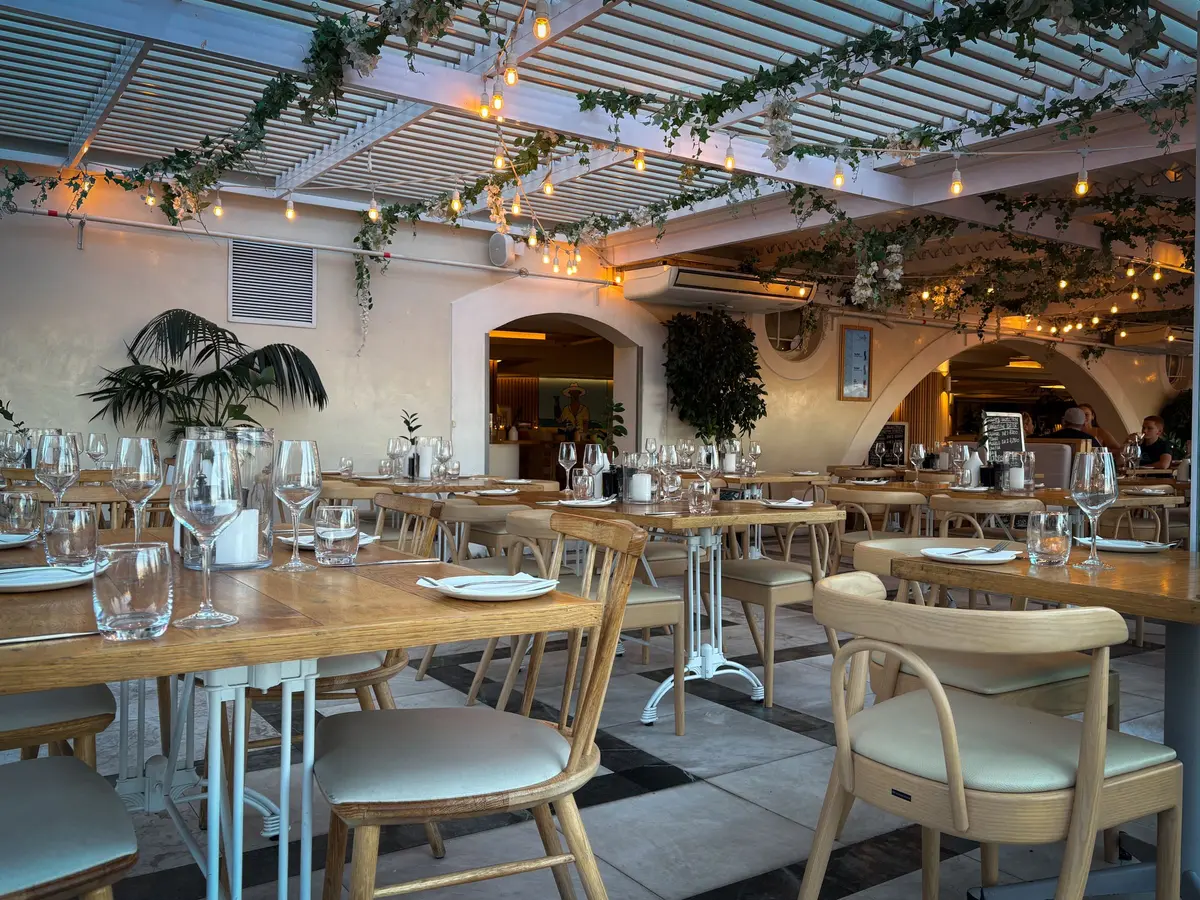
Restaurant websites illustrate a general pattern in small business sites: the ones that work poorly are not usually the unattractive ones. They are the ones where the menu is a photograph, the hours are on a page called Info, and the phone number is an image and so cannot be tapped.
The context explains most of the recommendations below. The visitor is often standing on a pavement or sitting in a car, deciding where to eat, with a few minutes and one hand.
In that situation four questions decide whether they come. The rest of a restaurant website is supporting material.
The four questions
What the food is like. What it costs. Whether the restaurant is open. Where it is.
Two of the four are answered by the menu, which is why the menu is less a page on a restaurant website than the substance of it. The other two are answered by information that is often treated as administrative detail.
If a visitor can answer all four in under a minute on a phone, the site is doing its job. If they cannot, the design has limited effect on the outcome.
The practical half belongs on the home page
Opening hours day by day, the address, a map, and the phone number as a tappable link — on the home page rather than behind a Contact link.
This is the recommendation that meets most resistance, because it reads as putting administration at the front. The counter-argument is that a visitor deciding where to eat is unlikely to hunt for it, and another restaurant's site is a few seconds away.
"Day by day" is doing work in that sentence: the question is usually whether the restaurant is open on Sunday, or open now, and a single range does not answer either.
The hours that change twice a year
Bank holidays, Christmas, the week in January when the restaurant closes. These are periods when the site is checked more than usual and is most likely to be out of date.
It is worth establishing, before choosing how the site is built, how long a change to the hours takes. Where it involves emailing somebody, the holiday hours are often wrong.
One photograph doing real work
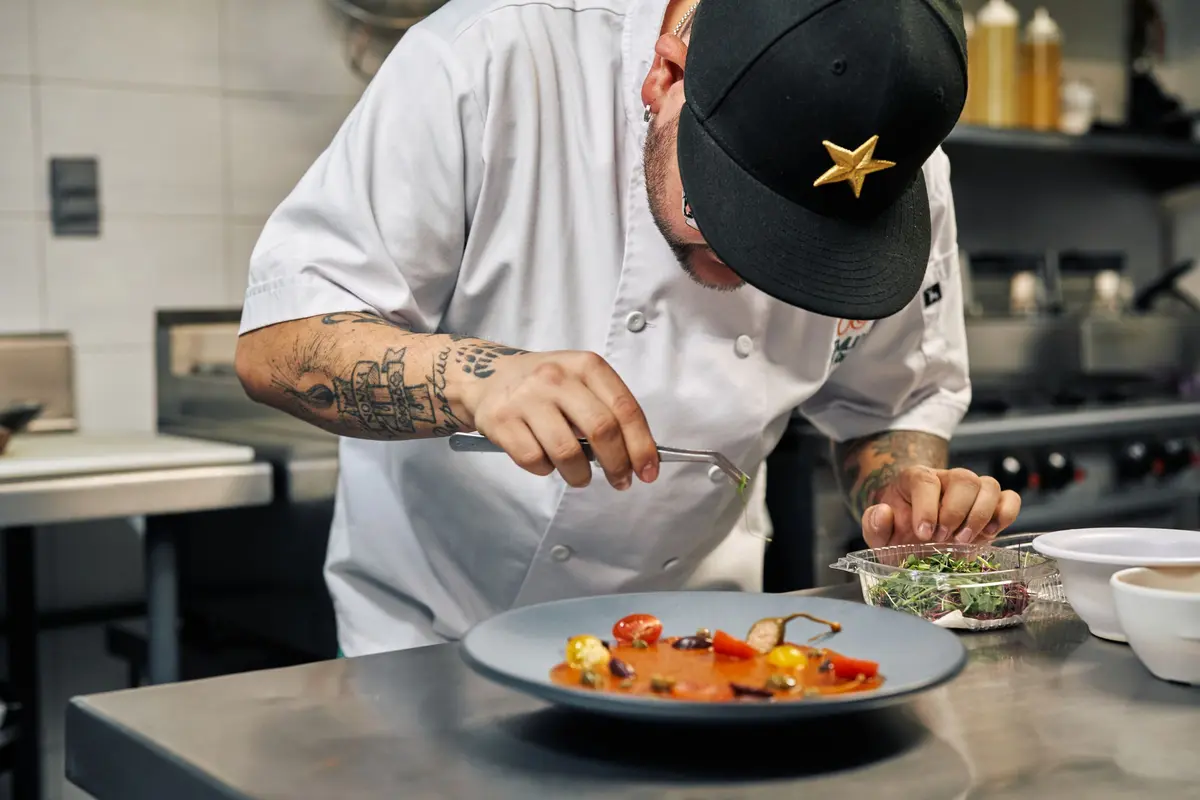
A large photograph of the room, or of a signature plate, carries more information than a paragraph about atmosphere. Restaurants are one of the trades where the main image does a substantial part of the work.
A generic stock plate that could belong to any restaurant carries the opposite information: that the restaurant's own food was not photographed.
One good photograph of the actual room and one of a signature dish is enough to start with. Both are best taken at the time of day the room looks best.
Reservations are a different kind of form
A reservation is a commitment about a specific table at a specific time, which makes it different from an enquiry even where the form looks the same.
If the form cannot hold the slot and stop accepting once the sitting is full, the capacity check is being run by a person, from an inbox, during service. When that fails it fails publicly: two parties, one table, both holding a confirmation.
Three questions are worth asking of any booking setup: does it know how many covers a sitting has, does it refuse once they are taken, and does a cancellation return the table to sale without anyone doing it manually.
Online ordering, and when it is worth adding
Collection and delivery ordering is a larger commitment than a menu or a booking form, because it brings in payment, timing and a promise that food will be ready.
It tends to be worth it where takeaway is a regular part of the business rather than an occasional accommodation. Doing it on the restaurant's own site avoids paying a percentage of each order to a platform, which is the main long-run difference between the two routes.
Where that is not yet the case, an order enquiry form that captures the items and a phone number is a smaller intermediate step.
How this works on a Sitemo site
From a description of the restaurant, the menu is built as editable items grouped into courses with prices and descriptions — text a phone can read and a search engine can index rather than a document.
The hours, address and map go on the home page for a business people visit in person. Changing Sunday's hours means retyping them on the page and publishing.
Where reservations are taken, the booking holds the slot against the number of covers set for that sitting and stops accepting once they are gone, with each booking emailed and kept as a record that can be looked up later.
The bottom line
Four questions: what the food is like, what it costs, whether the restaurant is open, and where it is. All four are worth answering on the home page, on a phone, in under a minute.
Turning a PDF menu into text addresses three problems at once: readability on a phone, findability for the dishes the restaurant is known for, and the cost of changing a price.
The photography, the story and the reservations are all worth doing, and they are easier to justify once the menu and the practical details are in place.
Frequently asked questions
- Why is a PDF menu a problem?
- It has three drawbacks at once: it is hard to read on a phone without pinching and panning, its text is not available to searches for a dish or a cuisine, and changing a price means editing and re-uploading a document. The third tends to prevent the first two from being fixed.
- Should the menu be on the home page or its own page?
- On the home page for a short menu, and on its own page once it runs past roughly ten items across several courses. Either way it is worth being reachable in one tap from the first screen.
- Do I need to show prices?
- Price is one of the four things visitors arrive to find out, and a menu without prices raises a question rather than answering one. Publishing them also reduces the number of enquiries that are only about price.
- How do I handle daily specials?
- Keep them separate from the main menu and easy to edit, so that changing them takes under a minute. Specials that are awkward to change tend to stay up longer than intended.
- Is online ordering worth it?
- It tends to be worth it where takeaway is a regular part of the business. Doing it on the restaurant's own site avoids the per-order percentage a platform charges; an order enquiry form is a reasonable smaller first step.
- Can a contact form handle reservations?
- It can, provided somebody is doing the capacity check by hand. A reservation is a commitment about a specific table at a specific time, so the form needs to know how many covers a sitting has, refuse once they are gone, and return a table to sale when somebody cancels.